Where the Margins Hide: Nine Specialty Cleaning Markets Worth the Extra Training
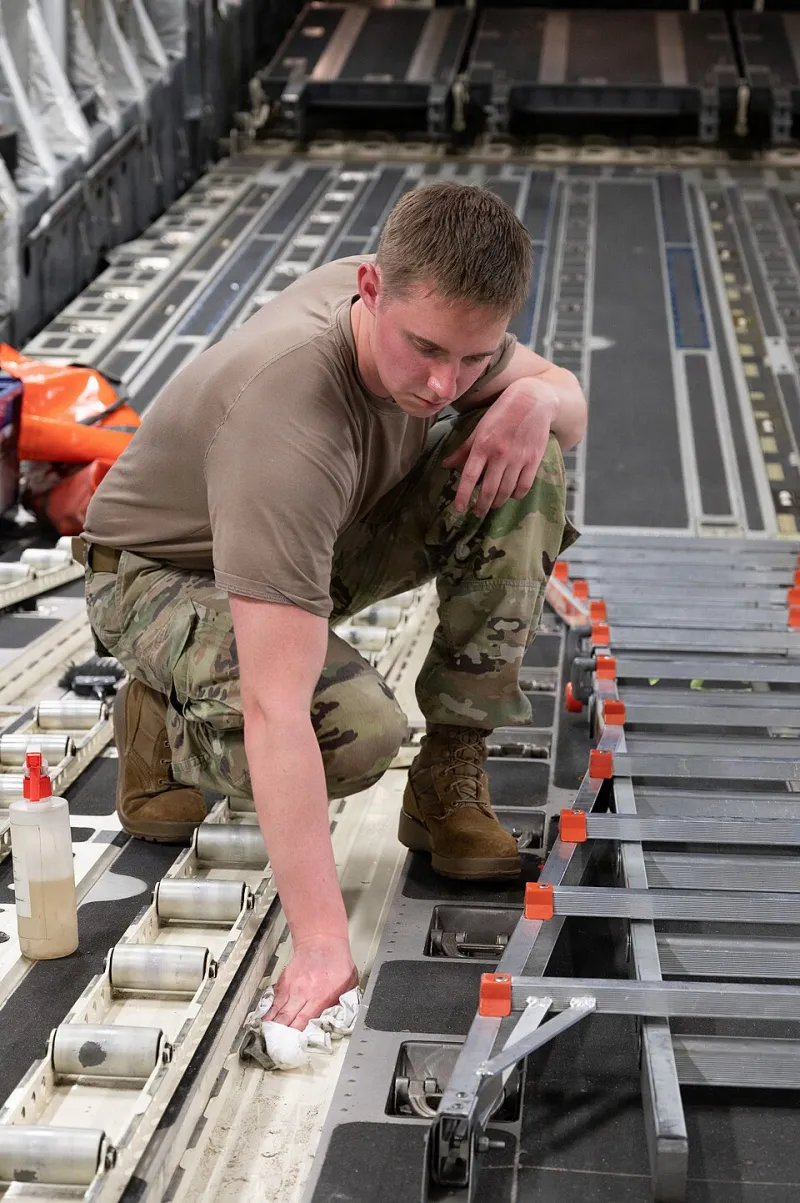
Photo: U.S. Air Force photo by 1st Lt. Marjorie Schurr, Public domain, via Wikimedia Commons
The standard office cleaning contract has become a commodity. Bids are compared line by line, contracts rotate every year or two, and the lowest price usually wins. For contractors tired of that treadmill, the answer may lie in markets most of their competitors won't touch—segments that demand specialized training but reward it handsomely.
Here are nine specialty markets where expertise, not price, drives the buying decision.
1. Medical and Dental Facilities
Healthcare cleaning requires knowledge of bloodborne pathogen protocols, OSHA compliance, and HIPAA-aware documentation. Certification through programs like GBAC or specialized healthcare training is essential—but so is the premium, which routinely runs 30–50% above general office rates.
2. Post-Construction Cleanup
New builds and renovations generate dust, adhesive residue, and debris that standard crews aren't equipped to handle. The work is project-based and demanding, but general contractors pay well for crews who understand rough clean, final clean, and punch-list detail work.
3. Data Centers and Server Rooms
These environments demand static-safe methods, HEPA filtration, and strict protocol adherence. The client base is small but lucrative, and a single maintenance contract can anchor an entire quarter's revenue.
4. Hoarding Remediation
Emotionally complex and physically demanding, hoarding jobs require sensitivity training, PPE, and proper disposal licensing. Few competitors enter the space, and clients—often families—prioritize compassion and discretion over price.
5. Crime Scene and Trauma Cleanup
Regulated at the state level and requiring certification in biohazard handling, this niche carries high barriers to entry. Those barriers are precisely what make it profitable.
6. Industrial and Manufacturing Plants
Facilities with machinery, grease, and compliance requirements need crews trained in lockout/tagout awareness and industrial safety. Turnover is low and contracts run long.
7. Schools and Daycare Centers
Child-safe products, background-checked staff, and district procurement processes create friction that deters casual entrants. Successful bidders build recurring annual contracts with predictable revenue.
8. Short-Term Rental Turnover
The Airbnb economy has created demand for fast, hotel-quality turnovers with photo documentation. Individual jobs are small, but density and volume add up quickly.
9. Solar Panels and Exterior Surfaces
Panel cleaning preserves energy efficiency and requires specific equipment and safety training for rooftop work. As solar adoption accelerates across the US, so does demand.
The Common Thread
Every one of these markets shares a pattern: regulatory requirements, specialized equipment, or emotional complexity that filters out the competition. The investment in training and certification is real—but so is the payoff. Contractors who specialize stop bidding against the lowest bidder and start pricing as the qualified expert in the room.