Miles Are Money: The Quiet Arithmetic Behind a Profitable Cleaning Route
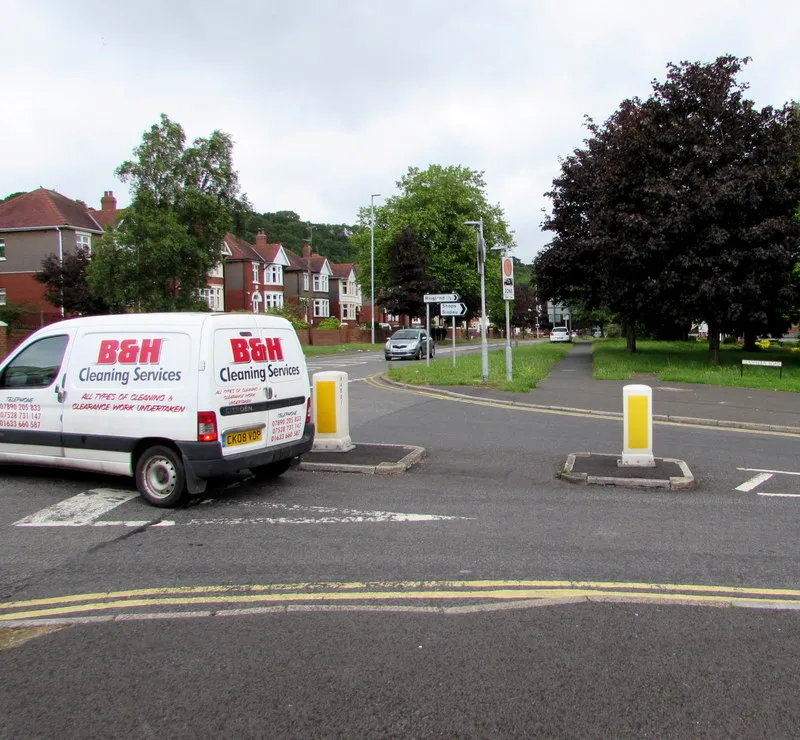
Photo: Jaggery , CC BY-SA 2.0, via Wikimedia Commons
Ask a cleaning contractor what their largest expense is, and you'll hear about labor or supplies. Rarely does anyone mention the van. Yet for residential and small commercial operators across the United States, fuel, vehicle wear, and the sheer hours spent behind the wheel quietly erode margins on jobs that look profitable on paper.
The solution isn't working harder—it's working closer. Route density, the practice of clustering clients within tight geographic zones, is one of the most underused levers in the cleaning industry.
Why Windshield Time Is a Silent Margin Killer
Consider a hypothetical crew servicing three houses in a morning, each 25 minutes apart across a sprawling suburb. That's over an hour of driving before accounting for traffic. Now imagine the same three homes within a half-mile radius. The crew completes the same billable work but saves nearly two hours of unproductive transit—time that can absorb an additional job or an earlier end to the day without cutting revenue.
Multiply that across a week, a month, a fleet, and the difference becomes a genuine competitive advantage. Dense routes also reduce fuel spend, insurance exposure, and vehicle depreciation—all costs that compound as gas prices fluctuate.
Zip Codes: Your First Filter
Territory planning starts before the first client is ever signed. Contractors who define a primary service zone—often two or three adjacent zip codes—can market, schedule, and staff with far greater efficiency than those who chase every inquiry regardless of location.
Practical steps include:
- Analyze your current client map. Plot every active account and look for existing clusters. Your densest area is your best candidate for targeted marketing.
- Set a hard boundary. Decide in advance how far you'll travel for a standard job, and hold the line. Exceptions should carry a premium, not an apology.
- Price the drive. If a lucrative account sits 40 minutes out, build travel time into the quote. A distant client is only worth the drive when the revenue justifies the miles.
Let Software Do the Sorting
Modern scheduling platforms—Jobber, ServiceTitan, Housecall Pro, and similar tools popular with US contractors—include route optimization that sequences stops intelligently. What once required a wall map and pushpins now happens automatically, with the software accounting for traffic patterns, appointment windows, and crew capacity.
The contractors who benefit most treat these tools as planning instruments, not just calendars. Reviewing route reports monthly reveals which accounts drain time and which neighborhoods deserve a marketing push.
When to Say No to the Far-Flung Client
Perhaps the hardest discipline is declining work outside your zone. A $400 job 50 miles away may net less than a $250 job ten minutes from your last stop once fuel, labor hours, and vehicle costs are counted. Contractors who internalize this arithmetic stop treating every dollar of revenue as equal—and start treating every route hour as the scarce resource it truly is.
Territory mapping isn't glamorous. But for cleaning businesses competing on thin margins, it may be the most profitable decision made before a single spray bottle is loaded.