Seven Channels, One Budget: Where Cleaning Clients Actually Come From in 2025

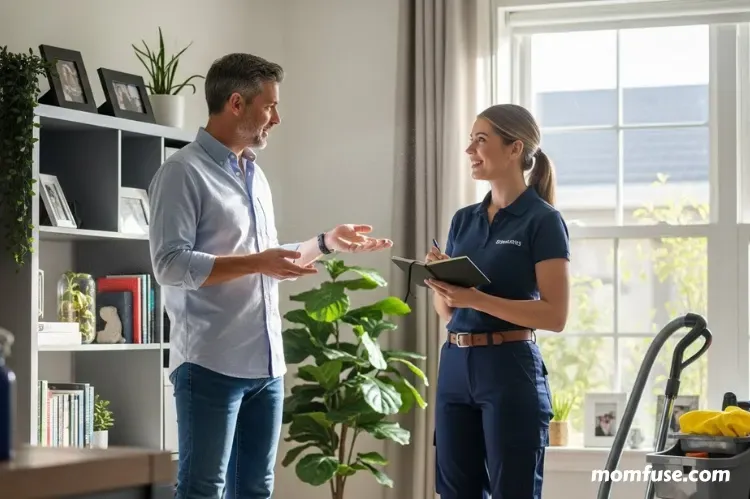
Photo by Photo by Vitaly Gariev on Unsplash on Unsplash
Ask a room of cleaning contractors where their last ten clients came from, and the answers cluster around a familiar truth: most new business still arrives through relationships. But the data behind those relationships is changing, and contractors who rely on a single channel are increasingly exposed.
Below, seven acquisition channels scored across three criteria: cost to launch, speed to first client, and long-term durability. Scores reflect patterns reported by residential and commercial operators across the U.S. market.
1. Client Referrals — Durability: Excellent
Cost: Low | Speed: Slow to start
Referrals remain the highest-converting channel in the industry, with close rates frequently reported above 50 percent. The problem is structural: most happy clients never think to refer anyone unless prompted. A simple post-service email asking for an introduction—and a modest thank-you incentive—converts passive satisfaction into an active pipeline. Every cleaning business should run a formal referral program; surprisingly few do.
2. Google Business Profile and Local Search — Durability: Excellent
Cost: Low | Speed: Moderate
For residential clients especially, "cleaning services near me" searches are the front door. A fully built-out Google Business Profile—current photos, service lists, and a habit of responding to every review—costs nothing but time and compounds in value over months. Contractors in competitive metros should treat this as non-negotiable infrastructure.
3. Online Reviews — Durability: Strong
Cost: Low | Speed: Moderate
Reviews function less as a standalone channel and more as an amplifier for every other channel. Prospects who find a contractor through a referral, a van magnet, or a B2B meeting will still check Google and Yelp before calling. A steady cadence of fresh reviews—requested within 48 hours of service, when enthusiasm peaks—signals an active, trustworthy operation.
4. B2B Networking and Property Manager Relationships — Durability: Strong
Cost: Low to Moderate | Speed: Slow
For commercial-focused contractors, this is the highest-value channel available. Property managers, facility directors, and commercial realtors control portfolios of buildings, meaning one relationship can yield multiple contracts. Local chambers of commerce, BNI chapters, and CRE industry associations reward consistency; expect six to twelve months before the pipeline matures.
5. Targeted Local Service Ads — Durability: Moderate
Cost: Moderate | Speed: Fast
Google's Local Services Ads and Yelp advertising deliver leads quickly, and the pay-per-lead model limits downside. The catch: shared lead pools and price-shopping prospects mean conversion depends heavily on response speed. Contractors who call back within an hour dramatically outperform those who wait a day.
6. Social Media Presence — Durability: Moderate
Cost: Low | Speed: Slow
Before-and-after content performs genuinely well for cleaning businesses, particularly on Facebook and Instagram in residential markets. Social rarely closes a commercial contract on its own, but it humanizes a brand and keeps a contractor visible between purchase cycles.
7. Door-to-Door and Vehicle Branding — Durability: Modest
Cost: Low | Speed: Slow
Old-fashioned, but not obsolete. Branded vehicles generate recognition within a service radius, and well-executed neighborhood canvassing—offering a free estimate rather than a hard pitch—still produces residential leads in suburban markets.
Building a Shoestring Stack
For a contractor with almost no marketing budget, the pragmatic stack is clear: formalize referrals, optimize the Google Business Profile, systematize review requests, and commit to one B2B networking venue. That combination costs little beyond time and covers both the fast lane and the long game. Paid ads can wait until the foundation is producing measurable results.